Cairo
Egypt Distinations
Cairo
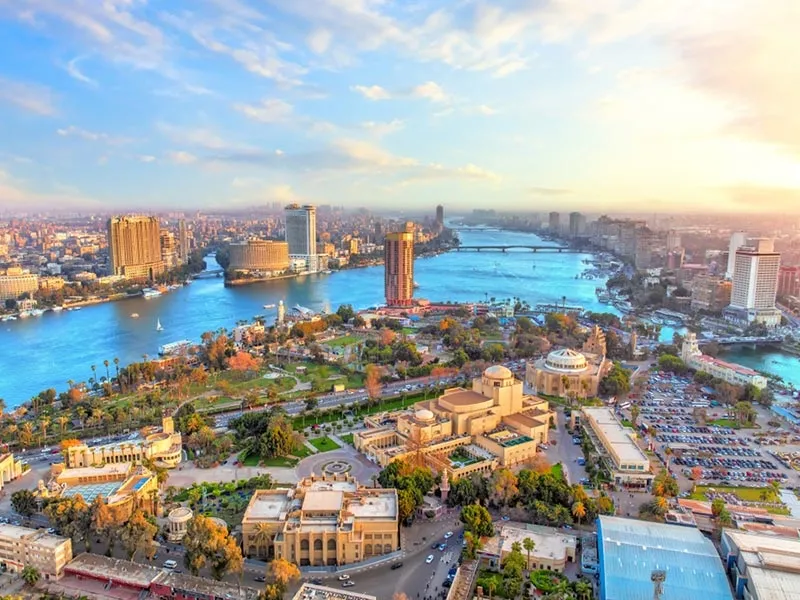
For all eternity, Cairo has served as a haven and a hub for beauty, art, and culture. Being the largest metropolitan region in Africa, the Middle East, the Arab world, and the fifteenth largest in the world, it is well known for being the capital of Egypt. Situated on both banks of the Nile River close to the Nile delta, the city is around 528 square kilometers in size and is located in northern Egypt, 120 km (75 mi) west of the Gulf of Suez and Suez Canal, and 165 km (100 mi) south of the Mediterranean Sea.
Al Azhar Mosque
Khan Al Khalili's narrow streets resemble a medieval-style shopping center. This collection of stores, many set around tiny courtyards, carries everything from semiprecious stones to soap powder, as well as tacky alabaster pyramids and toy camels. With the exception of Friday morning and Sunday, the majority of stores and stalls are open from approximately 9 a.m. until long after dusk. However, many souvenir sellers remain open until their customers arrive, even on Sundays. Since the khan was constructed in the fourteenth century, hundreds of Cairo residents have come here to do business, and certain areas of the market, like the gold district, continue to be their first choice.
Egyptian Museum
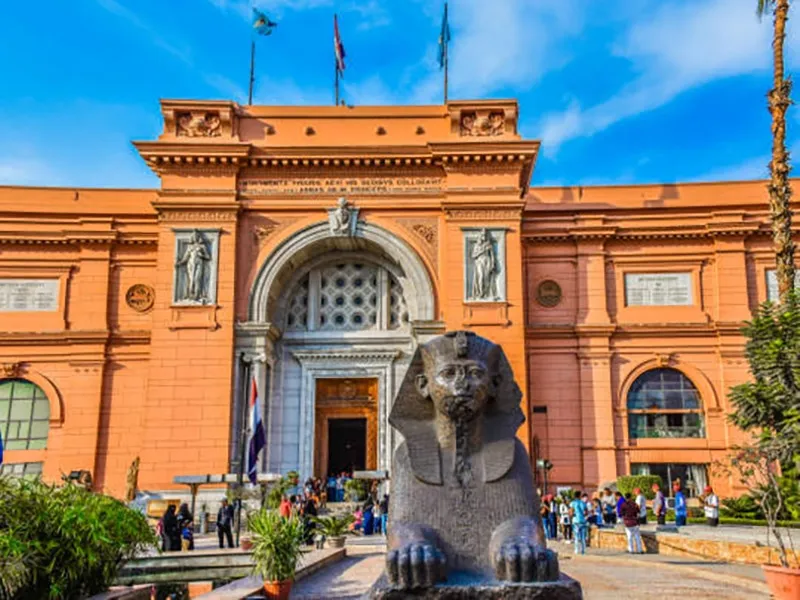
Located on the north side of Midan Tahrir in Downtown Cairo, the Egyptian Museum is home to one of the most significant collections of ancient artifacts in the world. The glittering jewels of Tutankhamun and other renowned pharaohs are housed inside the enormous domed, strangely pinkish edifice, along with grave goods, mummies, jewelry, eating bowls, and toys belonging to Egyptians whose identities have been lost to time. Strolling through the museum is like going on a historical journey. As old beliefs have been disproved by fresh research, several display cards have become outdated. Additionally, the collection quickly surpassed its rational structure. For example, the treasures of Tanis's tomb and Tutankhamun's massive treasure trove had to be crammed into the museum after they were discovered after it had opened.